Move well. Everything else follows.

One-to-one reformer sessions in a quiet private studio, and mat Pilates brought to your hotel, your villa or the sand — on your own, or with a group you bring.

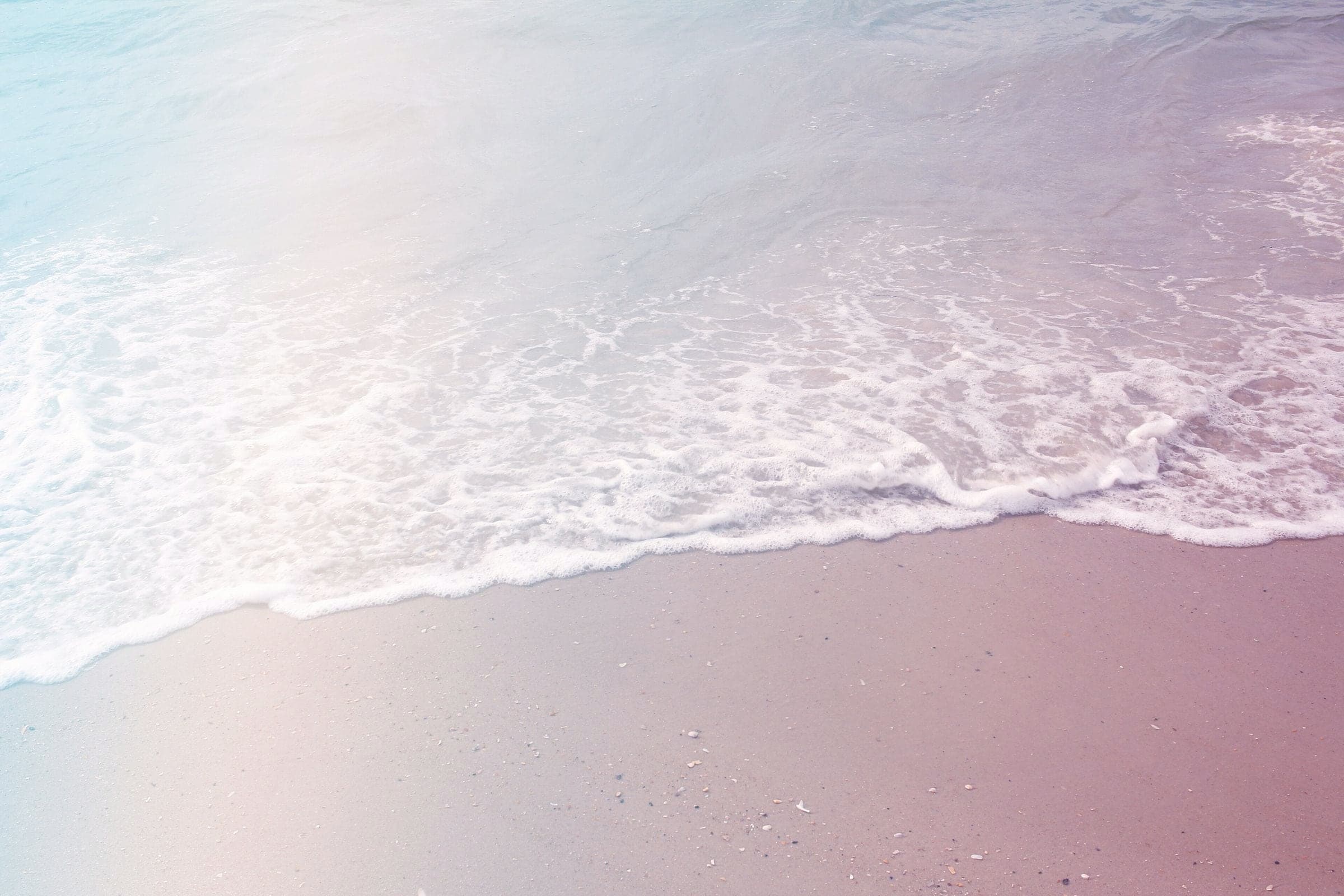
Pale surf washing over soft pink sand.

The practice

Pilates is a method, not a workout.

Joseph Pilates called what he built Contrology — the conscious control of the body through movement. That is still what it is. Every exercise has an order, a reason and a shape, and the point was never how hard it looks. The point is how precisely you can do it, and what that precision changes everywhere else.

The reformer makes the method especially teachable. Its springs can assist a movement you cannot yet do unaided and resist one you have outgrown, so the same exercise meets a complete beginner and someone ten years in. But the method came from the mat, and it still works there — which is why it can travel.

So the work happens in two places. In the studio there is one reformer and one person on it, unhurried, for an hour. Away from it — your hotel, a villa, a retreat, the sand — it moves to the mat and comes to you. The room changes. The method does not.

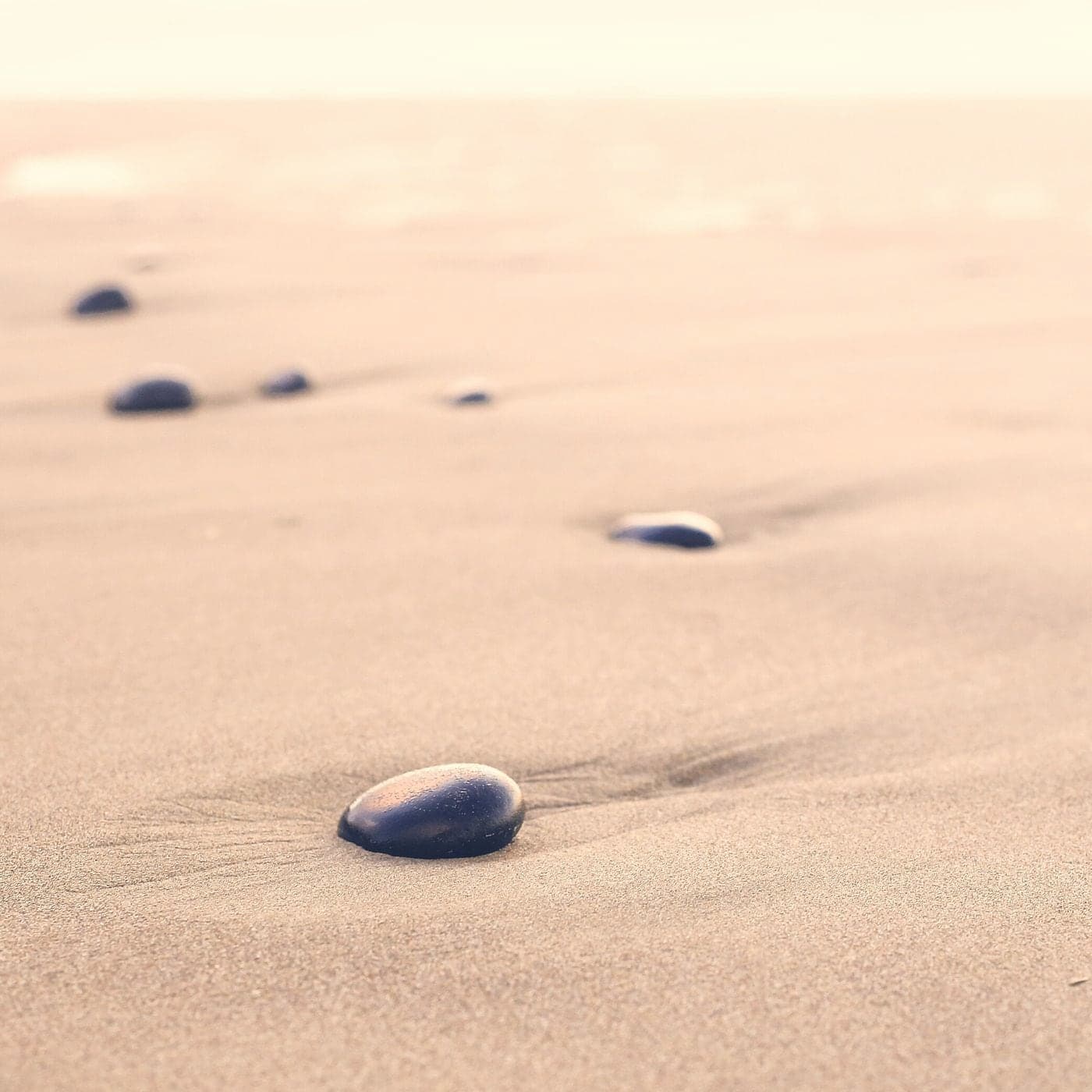
Smooth dark pebbles resting on warm pale sand.

What the work is built on

Six principles.

They are not decoration. Every cue you hear in a session traces back to one of them, and they are the reason the method transfers to everything you do outside the hour — on a reformer, on a mat, or on a board.

Concentration
Full attention on the movement you are actually in. The method asks the mind to show up as well as the body.
Control
Every repetition is deliberate. Nothing is thrown, swung or rushed to make it easier than it should be.
Centering
Movement originates in the deep trunk and travels outward, rather than the other way round.
Breath
Breath sets the rhythm and organises the trunk. It is the first thing taught and the last thing mastered.
Precision
One exercise done exactly is worth more than ten done approximately. This is where the results actually live.
Flow
Exercises connect rather than stopping and starting, so strength arrives as coordination instead of effort.

Where you practise

Two places to do the work.

Same method and the same instructor either way. What changes is the room, the equipment, and whether anyone comes with you.

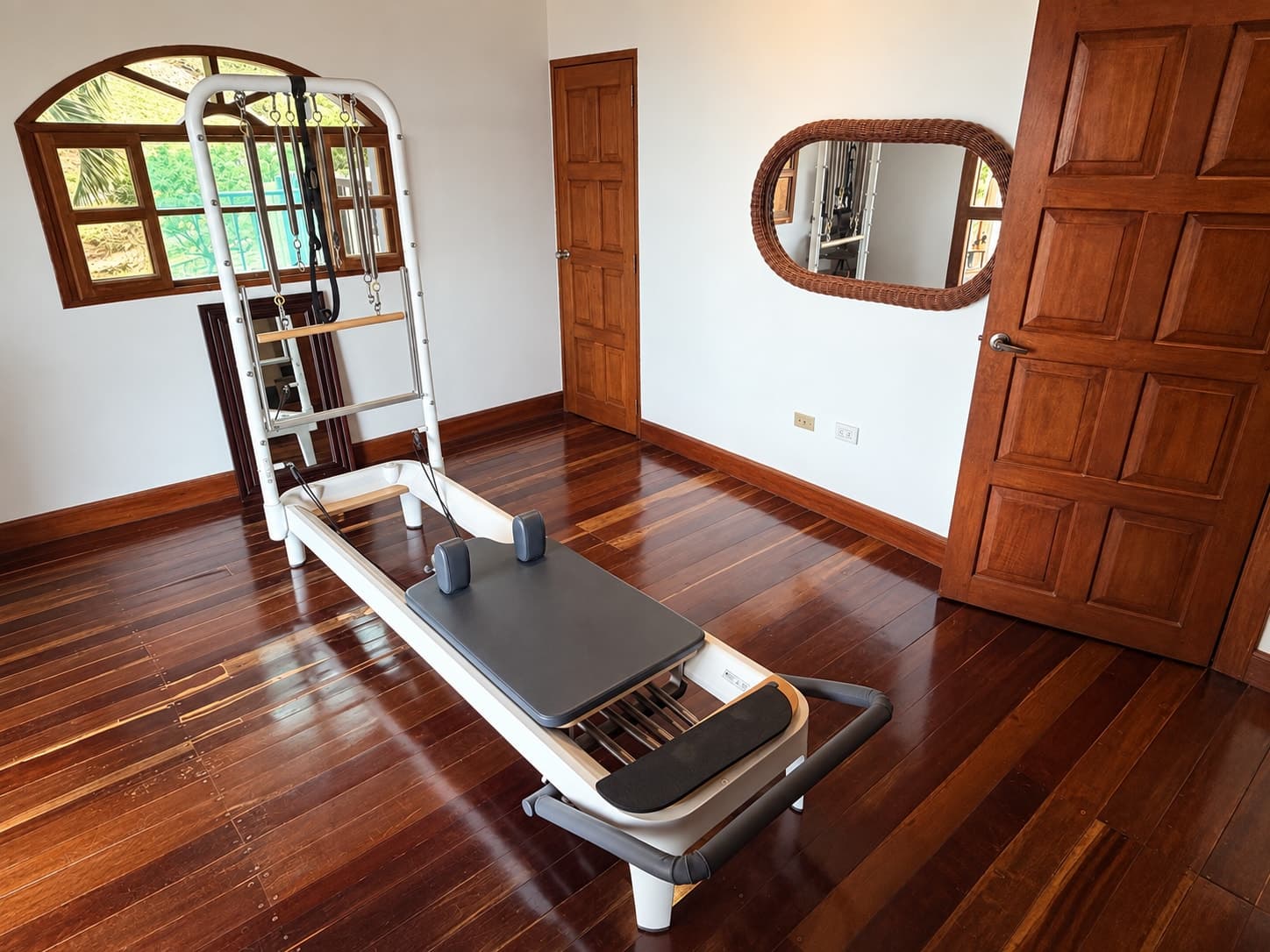
The reformer at the studio, on a dark hardwood floor in a quiet, naturally lit room.

At the studio

Reformer, one to one.

A quiet private studio in the Popoyo area with a single reformer in it, and a single person on it at a time. Spring tension is set to your body, the hour is programmed on the day, and every repetition is watched.

This is the most precise work on offer, and it is always one to one. There is one machine — splitting an hour between two people would make it a worse session, and you would feel it.

  • Whole-body strength without heavy loading
  • Posture and spinal mobility you keep off the machine
  • Core control that holds up under ordinary life
  • Injury-aware progression at your own pace
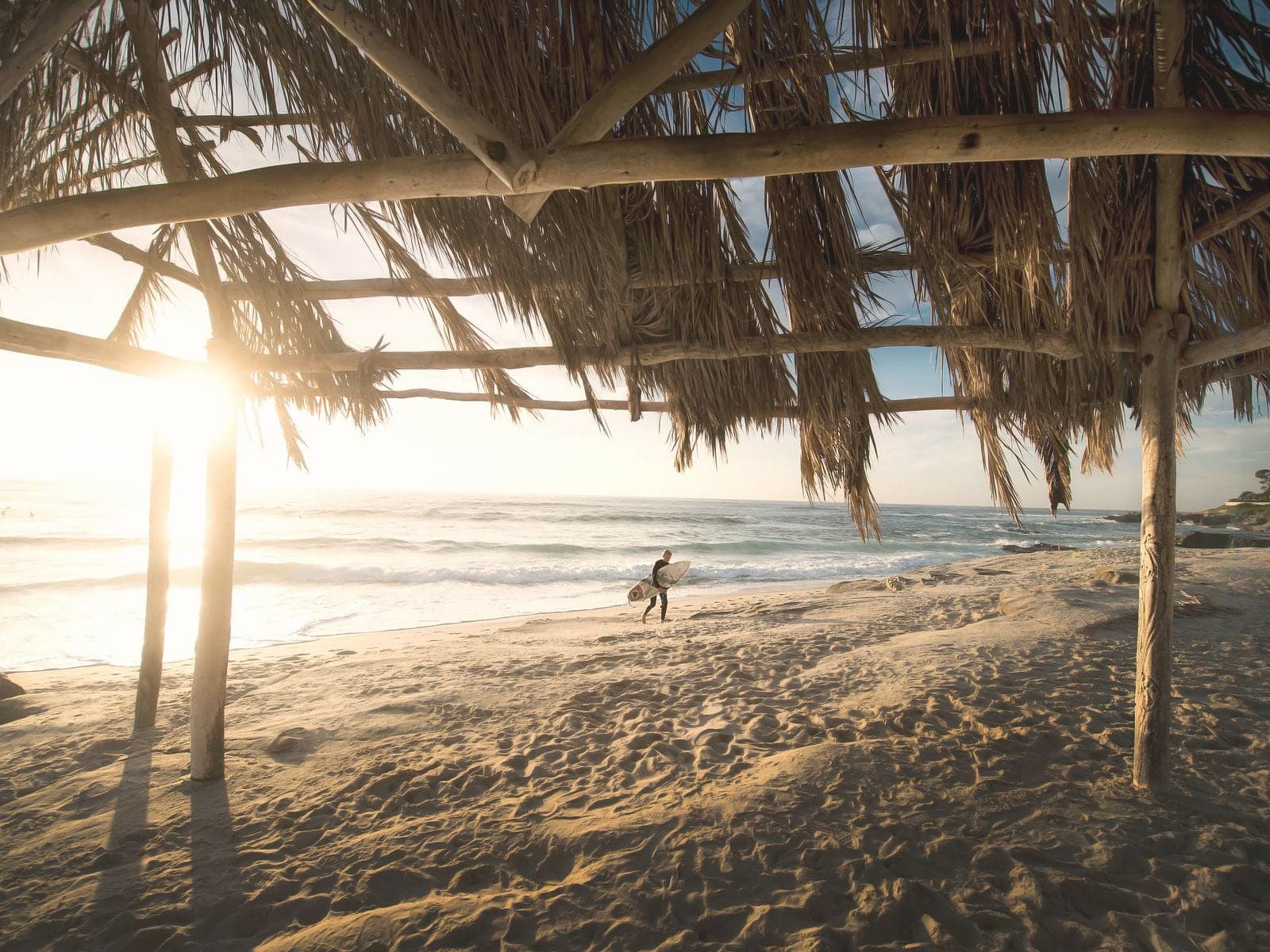
An open thatched palapa on a beach, looking out to the surf.

Wherever you are

Mat Pilates, brought to you.

Everything except the reformer travels. Mat work at your hotel, your villa, a retreat or on the sand — same method, same principles, no machine required, and nothing for you to arrange but the space.

On your own, or with a group you bring: friends, a family, a retreat's guests. Group sessions are arranged by message rather than scheduled, so they happen when and where actually suits you.

  • At your hotel, villa, retreat or on the sand
  • One to one, or a group you bring together
  • Mats and everything needed are brought along
  • Built for the space and the people in it

What happens

What a session looks like

Sessions run about 60 minutes and are programmed individually. There is no fixed curriculum and no set sequence — the principles stay fixed, the hour is built around the person on the mat or the reformer that day.

  1. Message on WhatsApp

    Say roughly what you're after, when you're around, and whether you'd rather come to the studio or have the session come to you. A person answers — usually the same day.

  2. A short conversation

    Before you start we talk through your body, your history and what you want out of the work. Injuries, surgeries, the shoulder that has been off since March — all of it is useful information.

  3. A private 60-minute session

    One instructor, programmed on the day around what you brought with you. You'll leave knowing what you worked on and why it was chosen.

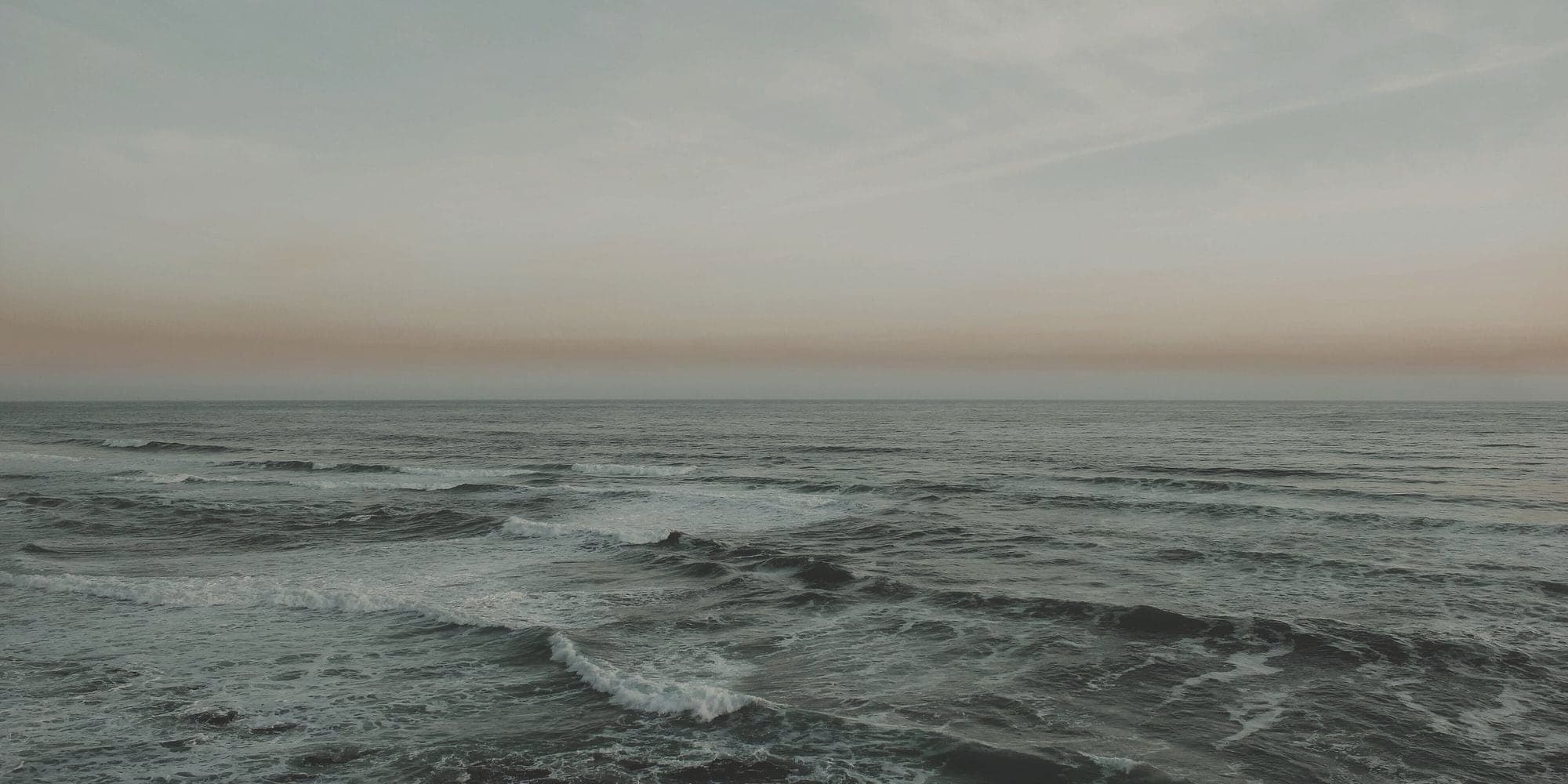
Rippling teal ocean water at dusk.

A focus within the practice

Pilates for surfers.

The method does not change for surfers. The emphasis does. Surfing asks for rotation through the thoracic spine, shoulders that stay stable over a long paddle, and hips that open on demand — so a surf-focused run of sessions keeps returning to those things.

It works on the reformer at the studio or on a mat where you're staying, so it fits around a surf trip rather than competing with it.

  • Thoracic rotation for a cleaner, more connected turn
  • Shoulder stability that survives a long paddle
  • Hip mobility for a faster, quieter pop-up
  • Low-back durability across back-to-back sessions
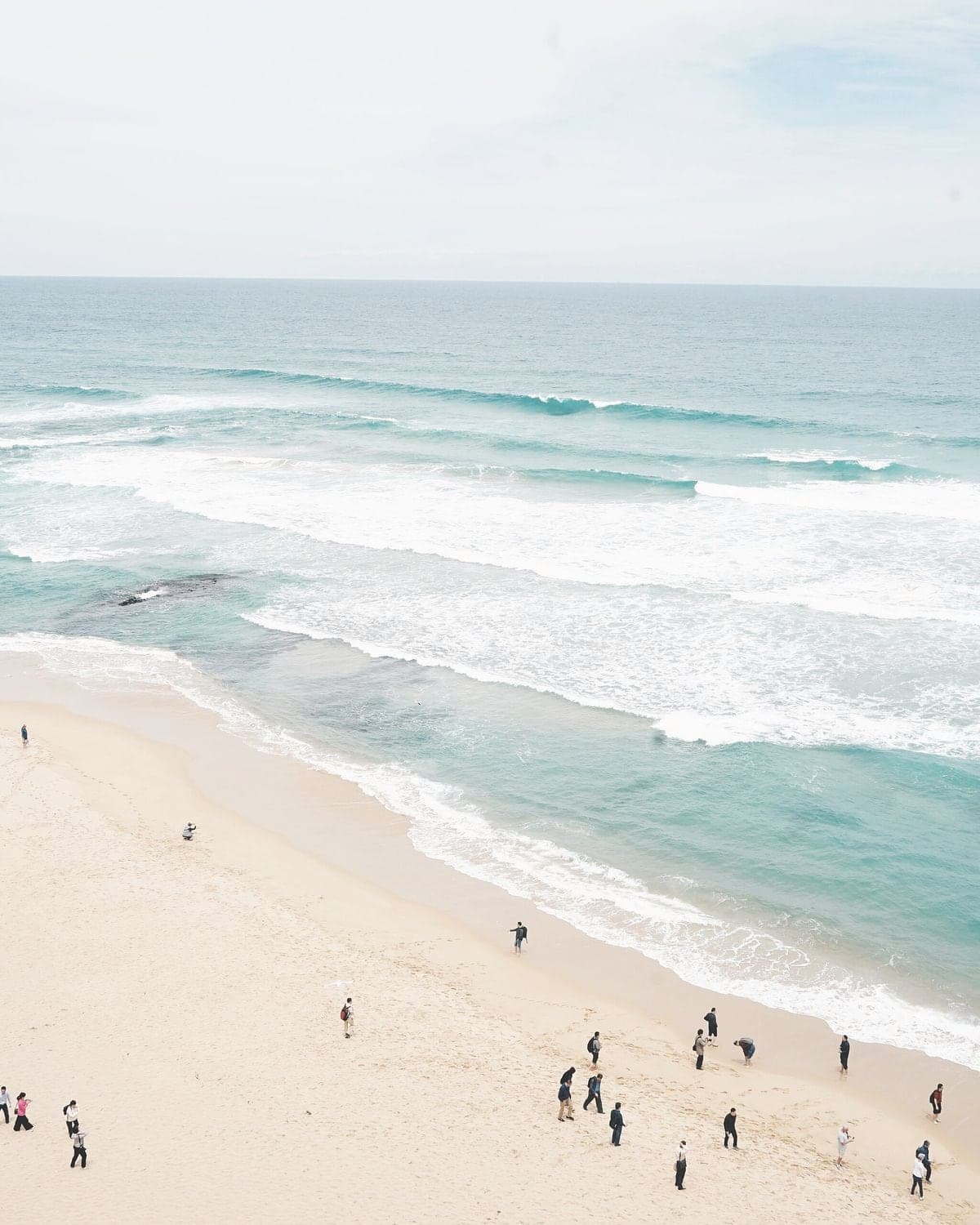
A wide Pacific beach with long lines of surf under soft light.

Who you'll work with

Krista Galvez

Instructor

Krista Galvez teaches every session at Popoyo Pilates — on the reformer in a quiet private studio in the Popoyo area, and on the mat wherever clients happen to be staying. Sessions are built in the room rather than planned in advance: watch how someone actually moves, then let the hour follow what shows up.

Expect precise cues, unhurried pacing, and a strong preference for eight honest repetitions over twenty rushed ones. Whether you came to surf better or simply to move well for a long time, the underlying work is the same — control, breath, and strength that stays with you after you leave.

Questions

Before you book

Where do sessions happen?

Either at a private studio in the Popoyo area, or at you — your hotel, your villa, a retreat, or on the sand. The studio has the reformer; everywhere else is mat work. Because the studio is private, its exact location is shared over WhatsApp once your session is confirmed.

Can you come to my hotel or villa?

Yes — that's a normal way to do this. Mat Pilates travels, so everything needed comes along and all you need to provide is a reasonably flat, quiet patch of space. It works just as well on a terrace, in a garden, in a big enough room, or on the sand.

Do you offer group classes?

Yes, away from the studio. Group sessions are mat-based and happen where you are, and you bring the people — a retreat, a villa, a family, a few friends. They're arranged by message rather than run to a timetable, so there's no schedule to fit around and nothing to sign up for. The reformer stays one to one, because there's only one of it.

I've never done Pilates. Is that okay?

Yes, and a private session is the best possible place to start. Everything is explained, nothing is assumed, and there's nothing to keep up with. Beginners are common here.

What is a reformer?

A low carriage that slides along rails against adjustable springs, with a footbar, straps and a headrest. The springs can assist a movement or resist it, which is what lets the same exercise work for someone in their first week and someone ten years in. It looks more intimidating than it is, and it lives at the studio.

How much does a session cost?

Rates are quoted over WhatsApp. Send a message and you'll get a straight answer, including what a block of sessions or a group booking looks like.

How long is a session?

About 60 minutes, programmed individually. There's no fixed curriculum and no set sequence — every session is built around the people in it that day.

What should I wear?

Fitted athletic clothes you can move in, and grippy socks if you have a pair — bare feet are fine too. Avoid zippers, buckles or anything that could catch on the reformer, and leave loose jewellery at home.

How many sessions before I feel a difference?

Most people notice something in the first session, usually in how they stand or breathe. Real change in strength and mobility comes from consistency — a couple of sessions a week over a few weeks does far more than any single session can. If you're visiting, we'll build around the time you actually have.

Do you work with injuries?

Often. We talk through your history before you start and the programming works around what's there. Pilates isn't a substitute for medical care — if you're currently being treated for something, keep your provider in the loop and bring along anything they've told you.

A muted band of sea meeting an overcast sky.

Book a session.

Sessions are booked by message. Tell us what you're working with, when you're around, and whether you'd like to come to the studio or have us come to you.

Book on WhatsApp